Downtown Condo Cleaning - Toronto: How to Review the First Visit Before Booking Again
Only have 30 seconds?
- Use the DowntownMaid.ca home page to find guidance for downtown condo cleaning.
- Review the original checklist while the results are still easy to see.
- Describe the surface, location and result when raising a concern.
- Confirm any changes to the next visit in writing before you commit to a recurring booking.
Read the booking confirmation before checking the rooms
Keep the booking confirmation open when you walk through the condo. A service package may describe rooms with short phrases, and your request may have added particular instructions. Find the version you and the cleaner actually agreed to. A standard kitchen clean, for example, might cover the exterior of appliances while the oven interior is a separately requested task. A bathroom checklist might cover the sink, toilet, mirror and shower surfaces while treating persistent scale as a separate item. The written agreement gives you a starting point for deciding whether an item was missed.
If the booking was arranged by someone else in the household, ask what they asked the cleaner to prioritize. Two people may have different expectations for a first visit. One person may care most about the shower glass while the other expects special attention to the kitchen floor. Agree on which expectations were communicated before you contact the cleaner. If you find a preference that was never shared, write it down for the next visit so the cleaner has a specific instruction to follow.
An invoice may also give you clues about scope. Look for added tasks, an agreed time limit or fees attached to one-time work. Keep that record with the confirmation. If you later switch to a recurring visit, ask which first-visit items carry forward and which were quoted only once. The downtown Toronto condo cleaning guide can help put the service categories in context.
Walk through three places where the result is easy to judge
Start with the kitchen. Look at the agreed areas, such as the sink, counter and appliance fronts. If something looks unfinished, identify exactly where. A clear note might describe a patch left on the counter beside the kettle or crumbs under the front edge of a movable countertop tray. If the cleaner had instructions to leave items in place, that may explain an area that was inaccessible. Decide whether you want to clear that area next time or ask for a specific change in handling.
In the bathroom, look at the areas you named at booking. If you asked for attention to the sink and faucet, compare those surfaces with the rest of the room. Persistent marks on grout or stone may need a separate assessment. Ask what the cleaner observed and what they used, particularly if you have surfaces with a manufacturer’s care instructions. Keep your feedback focused on the area and result that matter to you. That gives both parties a better basis for deciding what to do next.
Check the floors once they are dry and you can see the result in ordinary light. Look at the paths you use often, such as the entry, the kitchen work area and the space beside the sofa. Notice whether an apparently incomplete area was reachable. A chair, storage bin or pile of bags may have prevented access to a spot you assumed was included. Write down the location and whether it was clear during the visit. That detail helps distinguish a missed area from a place that needs preparation next time.
Put your notes into three groups
A missed task is something you reasonably understood to be part of the booking and could be done with the access and time agreed. Describe it clearly and give the provider a chance to explain what happened and how they handle follow-up. If there are several missed items, send them together so the office can read them alongside the same visit record. Give the outcome you are asking for, such as a response, an agreed correction or an update to the checklist.
A preference is the way you want a task handled. You might want items placed back in the same position or prefer that the cleaner leave a particular storage surface alone. Preferences are easiest to follow when they name a place and an action. “Please leave the small tray beside the bathroom sink in place” is more useful than “Be more careful with the bathroom.” If a preference changes the work significantly, give the cleaner a chance to confirm whether it fits the next booking.
An addition is work you want after seeing the first result. The apartment may be tidy after the basic clean, and you may now want the cleaner to include an extra bathroom, an appliance interior or accessible cabinet fronts. Ask how the service treats that request and whether it needs more time, a different rate or a separate appointment. This is also where you can ask about a periodic job that does not need to happen every visit. Keep it separate from the report of anything you believe was already included.
Ask for one clear response before changing the booking
Send a short message with the date, the area and the outcome. For example, “For the Saturday clean, the bathroom and kitchen counters looked good. We agreed on vacuuming the entry and living room, and there were still crumbs along the open floor beside the entry bench. Could you check the visit notes and tell me how you handle that? For the next visit, please leave the tray on the bathroom counter where it is.” The cleaner can respond to the floor issue and add the tray instruction to the next work order.
Use a photo if it makes the note easier to understand. Crop it to the relevant surface and keep documents, building credentials and household details out of the frame. If the problem is better communicated with a location, provide the location. A photo of a blank wall or a streak that only appears under a specific light may need a caption. Give the cleaner a point of reference so they can find it again.
If the office offers a follow-up, confirm what will be addressed and whether any cost applies. Ask when you can expect a response if the person who actually performed the work needs to be consulted. If someone will return, clarify whether the visit is for the missed item or whether you are also booking additional tasks. Getting the scope clear now avoids asking a returning cleaner to make decisions at the door.
Review the building handoff as part of the visit
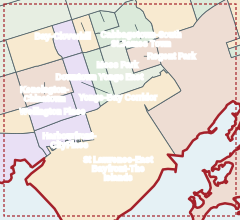
A condo clean depends partly on getting from the street to the unit. Use the St. Lawrence and central downtown map above for orientation. For a building near Front Street East and Jarvis Street, the street address may be clear while the correct entrance faces another side of the block. In a larger development, the residential lobby and service entrance may also be labelled differently. Give the provider the full address and postal code along with the lobby or entrance name management uses.
- Parking and unloading. Confirm where the cleaner can legally stop and whether visitor parking requires validation or registration. Give the provider the details instead of assuming a curb spot will be available.
- Step-free access. If a side entrance, ramp or particular elevator is needed, name it and describe how to reach it from the arrival point.
- Concierge and elevators. Ask management about the current check-in process, which elevator to use and what to do if the cleaner arrives while you are away.
- Contact on arrival. Confirm who can admit the cleaner and whether the cleaner should call from the lobby. Share access details privately with the people who need them.
If part of the first appointment was spent sorting out entry, ask how that affected the scheduled work. There may be a straightforward change, such as meeting in the correct lobby, using the resident’s booking instructions or moving the time to when someone can be there. Confirm how the provider counts time spent waiting for access. A reliable handoff helps the household and the cleaner plan the same amount of work for the next appointment.
Set the next visit using what you learned
Choose the jobs you want each time based on how you actually use the condo. Someone who cooks most nights may want kitchen surfaces and the floor near the stove prioritized. A household with frequent visitors might put the entry and guest bathroom first. Give the cleaner that information and specify what should happen when the allotted time is tight. If you want a lower-priority task skipped before the kitchen is left unfinished, put that order in the confirmation.
Compare the next quote or confirmation with your proposed list. A recurring clean may have a different set of tasks or an agreement about how often certain surfaces get attention. Ask whether the provider can record room-specific preferences, how they will pass those notes to a substitute cleaner, and what to do when a one-time request comes up. You can confirm the next appointment with a short message that lists the areas, priorities, price and access plan.
If you are choosing between weekly and biweekly visits, ask how either schedule would affect the agreed work. A household may find that one bathroom needs attention between visits while the rest of the checklist can wait. Agree which jobs you will handle yourself and which you want the cleaner to prioritize. That gives you a practical basis for choosing the interval and reviewing it after a few appointments.
Look back at how the provider responded when you gave feedback. Did they understand the location? Did they explain what was included and acknowledge what still needed attention? Could they confirm the next scope clearly? Those answers can matter as much as the original result if you plan to invite someone into the condo repeatedly. A well-documented first visit lets you compare the work and what happens after you ask a question about it.
Keep the current confirmation somewhere everyone in the household can find it. After the next clean, review the same few locations and see whether the agreed changes helped. If the new routine works, the two of you have a checklist you can use again. If it needs another adjustment, you have a recent example to explain it. That is what turns a first downtown Toronto condo clean into a recurring arrangement you can assess from visit to visit.